Introduction
For years, wearable technology has been collecting massive amounts of health data. Steps, sleep cycles, heart rate variability, oxygen levels. Millions of people track these numbers daily through smart devices. Yet one fundamental problem has always remained unsolved. Data alone does not change behavior.
Most users look at their dashboards and still wonder what their numbers actually mean. Should they exercise more today? Is their sleep pattern a warning sign? Are small heart rate changes normal or something to worry about?
This is the exact gap the AI health coach is designed to close.
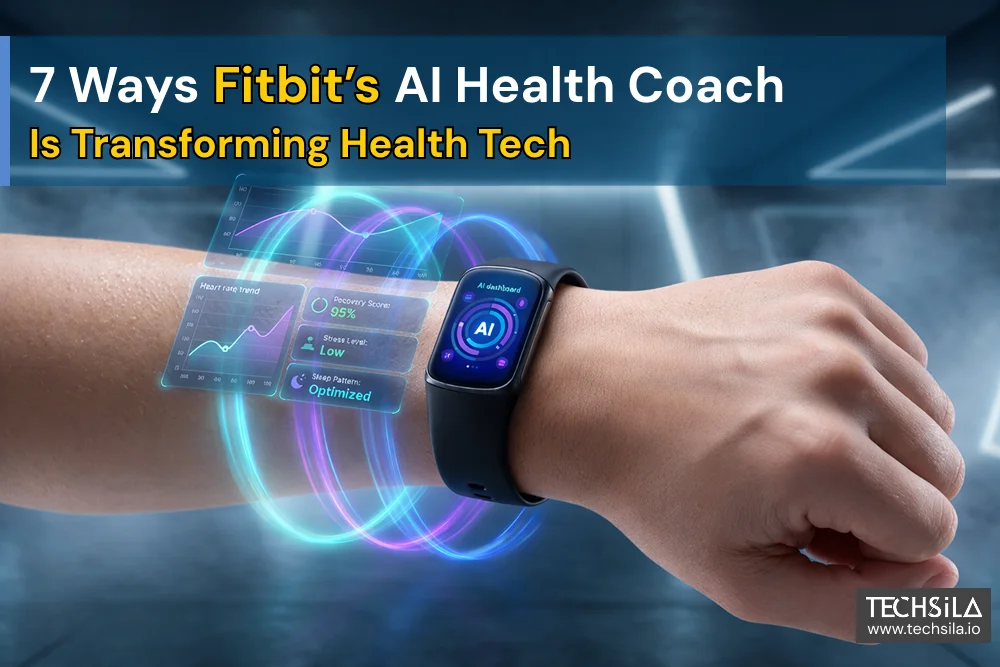
Instead of simply displaying statistics, Fitbit’s new AI health coach interprets patterns across multiple health signals and translates them into practical guidance. The system studies trends in activity, recovery, sleep quality, and biometric indicators, then turns that data into personalized recommendations that adapt to the user’s lifestyle.
What makes the AI health coach significant is not just its intelligence. It is the shift from passive tracking to proactive health support. Wearable devices are evolving from measurement tools into intelligent assistants that can help people make healthier decisions every day.
This change reflects a broader digital transformation happening across the healthcare technology industry. Companies are moving toward systems that analyze behavioral patterns, predict risks, and guide users before problems escalate. According to research on the future of digital health published by World Economic Forum, AI-driven health platforms are expected to reshape preventive healthcare and personalized wellness worldwide.
The rise of the AI health coach represents one of the clearest examples of this transformation. Instead of leaving users alone with complex metrics, intelligent systems are beginning to translate health data into meaningful action.
Organizations exploring advanced technology solutions, including AI-driven health platforms and digital transformation initiatives, are increasingly focusing on similar innovations. Many technology consultancies such as Techsila are helping businesses adopt AI-powered systems that combine data analytics, machine learning, and intelligent automation to build the next generation of digital products.
As wearable devices become smarter and more predictive, the AI health coach is emerging as a powerful example of how artificial intelligence can move healthcare from reactive treatment toward continuous, personalized prevention.
How an AI Health Coach Actually Works
Behind the convenience of modern wearable devices lies a sophisticated system of artificial intelligence, behavioral analytics, and biometric monitoring. The goal of an AI health coach is not simply to collect health data, but to interpret that data in ways that help users make smarter decisions about their daily routines.
At its core, an AI health coach works by analyzing signals from multiple sensors embedded in wearable devices. These sensors continuously collect information such as heart rate variability, sleep cycles, activity levels, stress indicators, and recovery metrics. Instead of treating each metric separately, the system evaluates patterns across all of these signals to build a more complete picture of a user’s overall health.
Machine learning models then process this information to identify behavioral patterns and physiological trends. For example, the AI health coach may detect that irregular sleep timing is consistently followed by lower activity levels or higher stress scores the next day. By recognizing these connections, the system can provide guidance that helps users gradually improve their habits.
Another important feature is continuous learning. The more data the wearable device collects, the more accurately the AI health coach can personalize its recommendations. Over time, the system adapts to each individual’s lifestyle, fitness level, and recovery patterns, making its suggestions increasingly relevant and practical.
This combination of real-time monitoring, pattern recognition, and adaptive learning allows wearable platforms to move beyond simple tracking. Instead of acting as passive devices that display numbers, intelligent systems powered by an AI health coach can translate complex health data into meaningful insights that support everyday wellness decisions.
This technological foundation is what allows modern wearable platforms to move beyond simple fitness tracking. Once the system understands individual patterns and behaviors, it can begin delivering guidance that is tailored to each user’s unique health profile.
In practical terms, the AI health coach transforms raw biometric data into actionable insights that influence daily habits, recovery decisions, and long-term wellness strategies. As a result, wearable devices are evolving from passive monitoring tools into intelligent health companions.
This shift is already reshaping the health technology landscape in several important ways.
1. AI Health Coach Enables Personalized Health Guidance
One of the biggest advantages of intelligent wearable technology is its ability to deliver personalized wellness insights at scale.
Traditional healthcare advice has always been generalized. Doctors typically recommend standard sleep routines, exercise targets, and diet guidelines because monitoring each individual continuously has historically been impossible.
Fitbit’s approach changes that.
By analyzing signals such as sleep patterns, activity levels, heart rate variability, and recovery data, the system can identify patterns unique to each user. Instead of generic recommendations, users receive guidance tailored to how their own body responds to stress, exercise, and rest.
Over time, the platform learns behavioral habits and adjusts its recommendations as lifestyles evolve. What once required regular consultations with health professionals can now be supported through intelligent wearable insights.
This shift turns wearables from simple fitness trackers into adaptive wellness companions capable of guiding daily health decisions.
2. Turning Wearables Into Predictive Health Systems
One of the most important shifts happening in digital health is the move from reactive care to predictive health monitoring. Wearable devices are no longer limited to recording what already happened. They are beginning to anticipate what might happen next.
This is where the AI health coach becomes especially valuable.
Fitbit’s AI health coach analyzes trends in sleep cycles, heart rate variability, stress levels, and activity patterns to detect subtle signals that may indicate fatigue, recovery issues, or potential health concerns. Instead of simply showing daily metrics, the system interprets long-term behavioral patterns to generate meaningful insights.
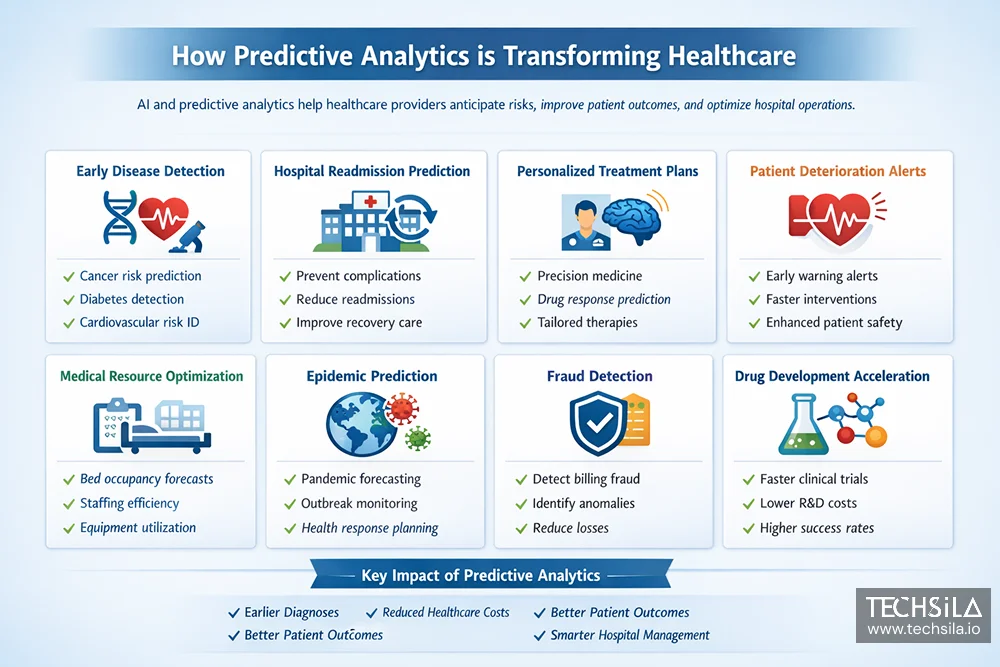
For example, small but consistent changes in sleep quality combined with reduced activity levels may signal rising stress or early burnout. The AI health coach can identify these early signals and recommend behavioral adjustments before minor issues evolve into more serious health problems.
This predictive capability is becoming one of the most valuable features of modern wearable technology. Research discussed by the National Institutes of Health highlights how wearable devices combined with artificial intelligence are improving early detection and preventive healthcare strategies.
As machine learning models continue improving, the AI health coach is helping transform wearable devices into early-warning systems for personal health, enabling individuals to act earlier and maintain healthier lifestyles through proactive guidance.
3. Redefining Preventive Healthcare
Healthcare systems around the world are gradually shifting their focus from treatment to prevention. Instead of responding only after symptoms appear, modern health technology is increasingly designed to identify risks early and help individuals maintain healthier habits.
This is where the AI health coach begins to play a transformative role.
By continuously analyzing behavioral patterns such as sleep consistency, activity levels, stress signals, and recovery data, the AI health coach can detect small changes that may indicate declining wellness. These insights allow users to make timely adjustments to their routines, often preventing minor issues from developing into larger health problems.
Preventive healthcare has traditionally depended on occasional doctor visits or annual health screenings. Intelligent wearables, however, introduce a continuous monitoring model where health data is analyzed daily. Instead of waiting for symptoms, users receive guidance that encourages better sleep, improved activity balance, and more consistent recovery habits.
According to research published by McKinsey & Company, AI-driven health technologies are expected to significantly expand preventive healthcare by enabling earlier detection of health risks and more personalized wellness guidance.
As these systems evolve, the AI health coach is helping transform wearable devices into tools that support everyday health management, empowering individuals to take proactive control of their long-term well-being.
4. Making Health Data Actionable for Everyday Users
One of the biggest challenges with wearable technology has always been interpretation. Devices collect enormous amounts of health data, but most users struggle to translate that information into meaningful action.
This is where the AI health coach adds real value.
Instead of overwhelming users with raw metrics, the AI health coach converts complex health signals into clear and practical recommendations. Rather than simply displaying sleep scores or activity graphs, the system explains what those patterns mean and suggests realistic steps users can take to improve their routines.
For instance, the AI health coach might recommend adjusting workout intensity after detecting signs of poor recovery or suggest improving sleep timing if irregular patterns begin affecting overall wellness scores. These insights transform wearable data into guidance that users can immediately apply in their daily lives.
This approach reflects a larger trend in digital product development where artificial intelligence simplifies complex data for everyday decision-making. Organizations building similar intelligent systems often rely on advanced machine learning models and predictive analytics frameworks, which form the foundation of modern AI development expertise across many technology platforms.
As wearable devices become more intelligent, the ability to turn raw health metrics into simple, actionable guidance will remain one of the most important features shaping the future of digital wellness.
5. Accelerating Innovation in Digital Health Platforms
The rise of intelligent wearables is pushing the entire health technology industry toward faster innovation. Devices are no longer limited to tracking fitness metrics. They are evolving into intelligent systems capable of guiding daily health decisions and supporting long-term wellness management.
The AI health coach plays an important role in this shift.
By combining machine learning, behavioral analytics, and continuous health monitoring, the AI health coach helps transform wearable devices into interactive health platforms. Instead of acting as passive trackers, these platforms now provide real-time feedback that encourages healthier habits and smarter lifestyle choices.
This innovation is also influencing how digital health companies design their products. Many platforms are now integrating AI-driven guidance systems that can analyze user behavior, personalize recommendations, and adapt over time as the system learns more about individual health patterns.
As the technology matures, the AI health coach concept is helping redefine what consumers expect from wearable health devices. Users are no longer satisfied with basic activity tracking. They increasingly expect intelligent insights, predictive health guidance, and personalized wellness support directly from their devices.
This growing expectation is pushing health tech companies to invest heavily in artificial intelligence, creating a new generation of wearable platforms that combine data analysis, behavioral science, and personalized coaching into a single digital experience.
6. How the AI Health Coach Influences Daily Wellness Habits
Technology can provide data, but real health improvement happens when behavior changes. One of the most important benefits of an AI health coach is its ability to influence daily habits through continuous guidance and feedback.
Traditional fitness tracking often stops at measurement. Users see how many steps they walked or how long they slept, but they are left to decide what to do next. The AI health coach goes further by turning these insights into personalized prompts that encourage healthier routines.
For example, if recovery indicators suggest fatigue, the AI health coach may recommend lighter activity for the day or suggest earlier sleep times to improve recovery. Over time, these small adjustments help users develop more balanced wellness habits.
What makes this approach powerful is consistency. Instead of receiving occasional advice, users benefit from continuous feedback that adapts to their lifestyle patterns. This ongoing interaction helps individuals stay more engaged with their health goals and maintain motivation over the long term.
As wearable technology continues evolving, the AI health coach is becoming an important bridge between health data and behavioral change, helping users translate information into everyday decisions that support long-term well-being.
7. AI Health Coach Is Shaping the Future of Digital Health
The rapid advancement of wearable technology is transforming how people interact with healthcare. Devices that once focused only on step counts and basic fitness metrics are evolving into intelligent wellness platforms capable of guiding long-term health decisions.
The AI health coach represents one of the clearest signs of this transformation.
By combining machine learning, biometric monitoring, and behavioral insights, the AI health coach helps shift healthcare from reactive treatment toward continuous health management. Instead of waiting for symptoms or periodic medical checkups, individuals can receive ongoing insights that help them maintain healthier lifestyles every day.
This shift also reflects a broader change across the health technology industry. Companies are increasingly investing in AI-driven platforms that can analyze large volumes of health data and translate them into meaningful guidance for users. The goal is not only to track wellness but to actively support better health outcomes through intelligent recommendations.
As digital health ecosystems continue expanding, the AI health coach is likely to become a central component of future healthcare experiences. From personalized wellness guidance to predictive health insights, intelligent coaching systems are helping define a new generation of technology that places proactive health management directly into the hands of users.
Challenges and Limitations of AI Health Coaches
While the rise of intelligent wearable technology offers significant benefits, it is important to recognize that an AI health coach is still an evolving technology. These systems provide valuable insights and guidance, but they are not perfect substitutes for professional medical advice or clinical diagnosis.
Most AI-driven wellness platforms rely heavily on the quality of data collected from wearable sensors. If the data is incomplete, inaccurate, or inconsistent, the recommendations generated by an AI health coach may not fully reflect a user’s true health condition. In addition, health behavior is influenced by many external factors such as lifestyle, environment, and individual physiology, which can be difficult for algorithms to interpret with complete accuracy.
Despite rapid progress in artificial intelligence and wearable technology, several challenges still influence how effectively an AI health coach can support long-term health management.
Key limitations include:
• Data privacy and security concerns
Health platforms process sensitive biometric information such as heart rate, sleep patterns, and activity levels. Protecting this data from misuse or breaches remains a critical challenge for technology providers.
• Accuracy of wearable sensors
Although wearable devices are improving, sensor readings may still vary depending on device placement, skin contact, or environmental conditions.
• Dependence on consistent user behavior
An AI health coach becomes more effective as it collects long-term behavioral data. Irregular device usage or incomplete data can limit the system’s ability to generate reliable insights.
• Limited clinical validation
Most wearable wellness platforms focus on lifestyle guidance rather than medical diagnosis. Many AI-driven recommendations still require further clinical research and validation.
• Over-reliance on automated guidance
Some users may begin depending entirely on digital recommendations, even though health decisions often benefit from professional medical expertise.
Understanding these limitations is important because it highlights the role wearable AI should play in healthcare. Rather than replacing doctors or clinical care, the AI health coach functions best as a supportive tool that helps individuals stay aware of their habits, recognize patterns in their health data, and make more informed lifestyle choices.
Conclusion
The emergence of intelligent wearable technology marks a turning point in how people manage their health. Devices that once focused only on tracking steps and activity are now evolving into sophisticated wellness platforms capable of guiding everyday decisions. At the center of this transformation is the AI health coach, which turns complex biometric data into meaningful insights that help individuals build healthier routines.
By combining machine learning, behavioral analytics, and continuous monitoring, the AI health coach is helping shift digital health from passive tracking toward proactive wellness management. Instead of simply observing health patterns, users can now receive guidance that supports better sleep, balanced activity, and smarter recovery habits.
As the technology continues to evolve, the AI health coach is expected to play an even greater role in shaping the future of digital healthcare. From personalized wellness recommendations to predictive health insights, AI-powered platforms are redefining how individuals interact with their own health data.
For organizations looking to build intelligent platforms powered by artificial intelligence, wearable data, and advanced analytics, the opportunity to innovate has never been greater. Businesses that adopt AI-driven solutions today will be better positioned to create the next generation of health and wellness technologies.
If your organization is exploring how AI can power smarter digital products, predictive platforms, or intelligent health solutions, it may be time to take the next step. Request a consultation with the experts at Techsila to discuss how AI-driven technologies can transform your digital strategy and unlock new opportunities for innovation.
Frequently Asked Questions (FAQs)
What is Fitbit’s AI health coach?
Fitbit’s AI health coach is an intelligent feature designed to analyze user health data such as sleep, activity, and heart rate to provide personalized wellness recommendations.
How does Fitbit’s AI health coach work?
Fitbit’s AI health coach uses machine learning to study patterns in wearable sensor data and generate insights that help users improve their daily health habits.
What data does Fitbit’s AI health coach analyze?
The AI health coach analyzes metrics like sleep quality, activity levels, heart rate variability, stress indicators, and recovery patterns collected from Fitbit devices.
Can Fitbit’s AI health coach replace medical advice?
No. Fitbit’s AI health coach is designed for wellness guidance and preventive insights, not medical diagnosis or treatment.
Why is Fitbit’s AI health coach important for digital health?
Fitbit’s AI health coach helps transform wearable devices from simple trackers into intelligent systems that provide personalized health insights and proactive wellness guidance.