

AI-Powered DevOps Pipelines is rapidly becoming the backbone of modern software delivery in 2026, redefining how organizations build, deploy, and operate digital products at scale. As businesses face mounting pressure to deliver software faster, more securely, and with near-zero downtime, traditional DevOps practices largely dependent on static automation and manual decision-making are increasingly struggling to keep up. The complexity of cloud-native architectures, microservices, and distributed systems has reached a point where human-centric monitoring and rule-based automation alone are no longer sufficient.
Artificial intelligence is now deeply embedded across the CI/CD lifecycle, transforming DevOps from a reactive, tool-driven discipline into an intelligent, self-optimizing system. By leveraging machine learning, predictive analytics, and autonomous decision engines, AI-driven DevOps Pipelines can anticipate failures before they occur, automatically optimize build and deployment workflows, and continuously adapt to changing workloads and infrastructure conditions.
In 2026, AI-powered DevOps is also reshaping the way organizations approach security, reliability, and cost efficiency. DevSecOps practices are evolving into continuously learning security pipelines that detect vulnerabilities in real time, prioritize risks based on contextual intelligence, and enforce policies without slowing down delivery. At the same time, AI-driven insights are enabling teams to optimize cloud resource usage, reduce operational waste, and align software delivery more closely with business outcomes.
In this in-depth guide, we explore the top DevOps trends shaping 2026, explain why AI-driven DevOps Pipelines have become essential for modern enterprises, and provide practical insights into how organizations can adopt these technologies to gain a sustainable competitive advantage. Whether you are a platform engineer, DevOps leader, or technology decision-maker, this article will help you understand how intelligent pipelines are redefining the future of software delivery in an increasingly complex digital ecosystem.
The Evolution of DevOps: From Automation to Intelligence
DevOps initially focused on breaking silos between development and operations through automation and collaboration. While automation accelerated delivery, it also introduced challenges:
- Tool sprawl across CI/CD ecosystems
- Complex cloud-native architectures
- Growing security threats
- Manual decision-making bottlenecks
According to Gartner, more than 80% of DevOps teams will integrate AI-based automation into their pipelines by 2026, highlighting a major shift toward autonomous software delivery.
What Are AI-Driven DevOps Pipelines?
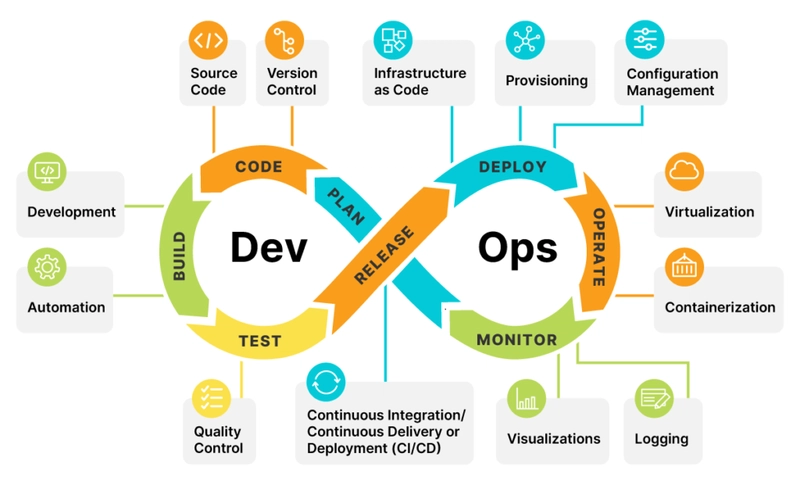
AI-driven DevOps Pipelines combine machine learning, data analytics, and intelligent automation to optimize every stage of software delivery. Unlike static pipelines, these systems continuously learn from historical data, runtime metrics, and user behavior.
Key Characteristics Of AI-Driven DevOps Pipelines
- Predictive analytics instead of reactive alerts
- Continuous learning from pipeline telemetry
- Automated decision-making across CI/CD stages
- Self-healing infrastructure and applications
By embedding intelligence into pipelines, organizations reduce downtime, improve quality, and accelerate time-to-market.
Why DevOps Pipeline Matter in 2026
The software landscape in 2026 is shaped by:
- Microservices and service meshes
- Multi-cloud and hybrid deployments
- Edge computing and IoT platforms
- AI-powered and data-intensive applications
Managing this complexity manually is no longer feasible. AI-driven DevOps Pipelines provide the scalability and intelligence needed to operate reliably at scale.
Key Business Benefits
- Faster release cycles (30–60% improvement)
- Reduced operational costs
- Improved system resilience
- Enhanced security posture
Top DevOps Trends in 2026 Powered by AI
1. Autonomous CI/CD Pipelines (AIOps Integration)
One of the most impactful DevOps trends in 2026 is the rise of autonomous CI/CD pipelines. AI-driven DevOps pipelines can now decide when and how to deploy software without human intervention.
Capabilities Include:
- Risk-based deployment approvals
- Automated rollback decisions
- Dynamic build optimization
This level of autonomy reduces human error and enables continuous delivery at scale.
2. Predictive Quality Engineering and Smart Testing
Testing is traditionally time-consuming and resource-intensive.
AI models analyze:
- Code change impact
- Historical bug patterns
- Runtime behavior
This enables:
- Selective regression testing
- Faster feedback loops
- Higher test coverage with fewer resources
3. AI-First DevSecOps Pipelines
Security threats are growing in sophistication. In 2026, AI-driven DevOps Pipelines embed security intelligence across the pipeline lifecycle.
How AI Enhances DevSecOps
- Real-time vulnerability detection
- Behavioral anomaly analysis
- Intelligent prioritization of risks
4. Self-Healing Infrastructure and Applications
Self-healing systems are no longer experimental. AI can automatically detect and resolve issues without downtime.
Examples:
- Restarting failed containers
- Scaling services under load
- Reconfiguring network paths
This dramatically improves system uptime and customer experience.
5. AI-Optimized Cloud Cost Management (FinOps + DevOps)
Cloud cost optimization is a critical DevOps challenge in 2026. AI-driven DevOps Pipelines analyze usage patterns to optimize resource allocation.
According to Google Cloud, AI-based optimization can reduce cloud costs by up to 30% annually.
Traditional vs AI-Driven DevOps Pipelines
| Feature | Traditional DevOps | AI-Driven DevOps Pipelines |
| Decision Making | Rule-based | Predictive & intelligent |
| Failure Detection | Reactive | Proactive |
| Testing Strategy | Full regression | Risk-based testing |
| Security | Post-deployment | Continuous |
| Scalability | Manual | Autonomous |
This comparison highlights why AI-driven DevOps Pipelines dominate modern DevOps strategies.
How they Work
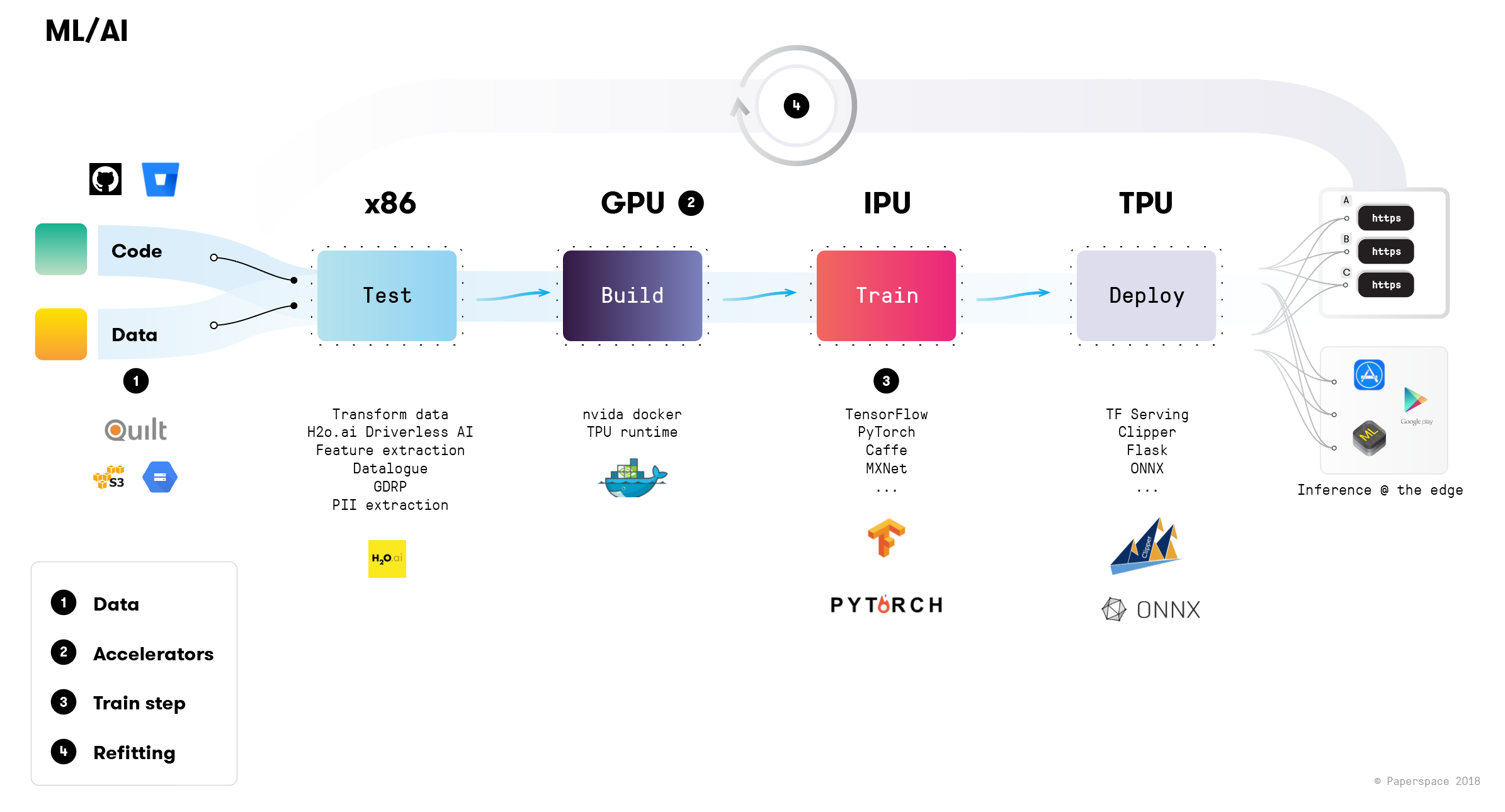
Code Commit Analysis – AI evaluates risk and impact
- Smart Build Triggering – Only necessary builds execute
- Predictive Testing – High-risk modules tested first
- Security Intelligence – Continuous threat monitoring
- Automated Deployment – Risk-aware rollout strategy
- Monitoring & Learning – Pipeline continuously improves
This closed-loop intelligence is the defining feature of AI-driven DevOps Pipelines
How Techsila Enables AI-Driven DevOps Pipelines
At Techsila, we specialize in designing and implementing AI-driven DevOps Pipelines for modern enterprises. Our solutions help organizations transition from manual DevOps to fully autonomous, intelligent delivery systems.
Our Expertise Includes:
- AI-powered CI/CD automation
- AIOps-based monitoring and observability
- Secure DevSecOps architectures
- Cloud-native and edge DevOps solutions
Conclusion:
AI-driven DevOps Pipelines are no longer an experimental upgrade—they represent the new foundation of software delivery in 2026 and beyond. As development environments grow more complex with microservices, multi-cloud deployments, and AI-native applications, organizations can no longer rely on manual oversight or static automation. Intelligence, adaptability, and prediction have become essential.
By integrating machine learning into CI/CD workflows, Predictive testing reduces defects before they reach production, self-healing infrastructure minimizes downtime, and AI-powered DevSecOps ensures security is embedded continuously rather than treated as an afterthought. Together, these capabilities allow organizations to deliver software faster, safer, and at a scale that traditional DevOps simply cannot sustain.
However, adopting AI-driven DevOps Pipelines is not just a tooling decision—it is a strategic transformation. Success requires aligning people, processes, and platforms around intelligent automation and data-driven decision-making. Organizations that invest early in AI-powered DevOps practices will gain a lasting competitive advantage through improved reliability, lower operational costs, and accelerated innovation cycles.
As software systems continue to evolve, one thing is clear: AI is no longer optional in DevOps—it is foundational.
Ready to Transform Your DevOps Strategy?
Partner with Techsila to design and implement AI-driven DevOps Pipelines that are scalable, secure, and future-ready. Our experts help organizations modernize CI/CD workflows, integrate AIOps, and build resilient DevSecOps architectures tailored to real-world business needs.
FAQs:
1.What are AI-driven DevOps Pipelines?
AI-Powered DevOps Pipelines use machine learning and predictive analytics to automate, optimize, and self-heal CI/CD workflows. Unlike traditional pipelines, they learn from historical data and runtime behavior to make intelligent decisions.
2.How do AI-Powered DevOps Pipelines improve software delivery?
AI-driven DevOps pipelines improve software delivery by:
- Predicting failures before deployment
- Reducing testing and release times
- Automating rollback and recovery
- Enhancing security through continuous monitoring
This results in faster releases, higher reliability, and lower operational costs.
3.What are the trends for AI-Driven DevOps Pipelines in 2026?
4.What is the software development trend in 2026?
5.What is the AI update in 2026?
