

AI health apps like Fitbit Coach are rapidly transforming the healthcare and wellness industry. These intelligent applications combine wearable technology, artificial intelligence, and real-time analytics to help users track fitness goals, monitor health conditions, and receive personalized wellness recommendations.
AI health apps like Fitbit Coach allow users to access guided workouts, activity insights, and health predictions directly from their smartphones or wearable devices. As healthcare becomes more digital, organizations are increasingly investing in AI-driven health platforms to improve patient engagement and preventative care.
However, developing AI health apps like Fitbit Coach is not simple. Healthcare companies must address challenges such as data privacy, system integration, AI model accuracy, and regulatory compliance. This is where experienced IT consultants play a crucial role in designing scalable, secure, and high-performing healthcare applications.
Why Healthcare Companies Should Invest in AI Health Apps Like Fitbit Coach
AI health apps like Fitbit Coach are digital platforms that use artificial intelligence to provide personalized fitness, health, and wellness insights. These apps collect data from wearable devices, smartphones, and user inputs to generate recommendations based on real-time behavior patterns.
For example, platforms like Fitbit and Apple Health track daily activity, sleep cycles, heart rate, and calorie intake to help users maintain a healthier lifestyle.
These applications typically include features such as:
- Personalized workout recommendations
- Health data analytics
- Sleep tracking and recovery insights
- AI-driven wellness coaching
- Integration with wearable devices
Companies such as Fitbit, Apple Health, and Google Fit demonstrate how AI can improve everyday health monitoring and preventative care.
Healthcare companies looking to develop similar solutions often work with AI development experts. Businesses exploring intelligent health solutions can learn more about scalable AI development through Techsila’s AI and Machine Learning services available at techsila.io.
How IT Consultants Help Build AI Health Apps
AI-powered health applications are reshaping the healthcare industry by enabling smarter, data-driven patient care and wellness management.
Personalized Healthcare Experiences
AI health apps like Fitbit Coach analyze large amounts of user data, including activity levels, heart rate patterns, sleep quality, and nutrition habits. Machine learning algorithms use this information to create personalized health recommendations tailored to each user.
According to research from McKinsey & Company, personalized digital healthcare experiences significantly increase user engagement and long-term wellness outcomes.
Real-Time Health Monitoring
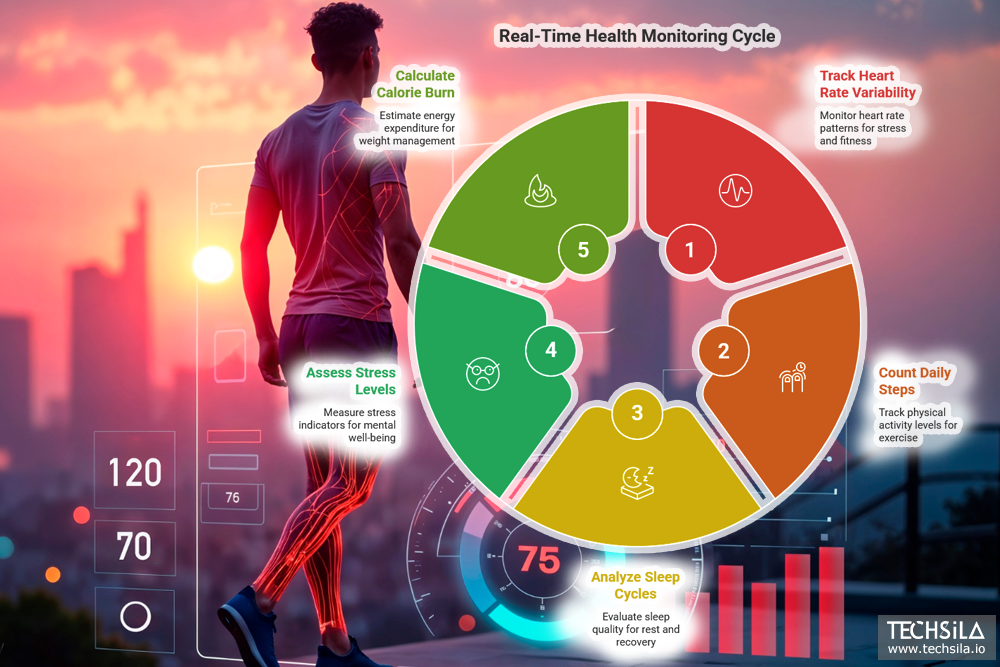
One of the biggest advantages of AI health apps like Fitbit Coach is their ability to monitor health metrics in real time. Wearable devices connected to AI apps track important indicators such as:
- Heart rate variability
- Daily step count
- Sleep cycles
- Stress levels
- Calorie burn
These insights allow users to make proactive health decisions before problems become serious.
Preventative Healthcare
Instead of reacting to illnesses, AI health apps like Fitbit Coach promote preventative healthcare. Predictive algorithms identify patterns that could indicate future health risks.
The World Health Organization highlights digital health technologies as critical tools for improving preventative healthcare and long-term health outcomes.
Improved Patient Engagement
AI health apps encourage users to stay committed to their health goals through reminders, progress tracking, and gamification features.
Healthcare providers can also use these apps to track patient engagement and encourage healthier behaviors.
Challenges in Developing AI Health Apps Like Fitbit Coach
Despite their benefits, developing AI health apps like Fitbit Coach presents several technical and operational challenges.
Data Privacy and Security
Healthcare applications manage sensitive personal and medical information. Protecting this data is essential for maintaining trust and meeting legal requirements.
Healthcare platforms must comply with regulations such as:
- HIPAA in the United States
- GDPR in Europe
- Other regional healthcare data protection laws
Organizations can explore best practices for healthcare AI security through resources provided by IBM Healthcare AI.
Integration with Wearable Devices
AI health apps must connect with multiple devices and systems, including:
- Smartwatches and fitness trackers
- Electronic health record systems
- Cloud-based analytics platforms
- Mobile applications and APIs
Managing these integrations requires expertise in cloud architecture and system interoperability. Companies building connected healthcare platforms often rely on cloud infrastructure solutions like those offered by AWS Healthcare services.
AI Model Accuracy
AI health apps rely heavily on machine learning algorithms. These algorithms must be carefully trained to ensure accurate health predictions and personalized recommendations.
Poorly designed AI models could produce misleading health insights, making expert AI development and validation critical.
Scalability and Performance
Successful health apps must support thousands or millions of users simultaneously. Without scalable infrastructure, applications can experience performance issues, slow response times, or system crashes.
Healthcare organizations can build scalable digital health platforms by using modern cloud architecture and DevOps practices. Businesses interested in building scalable digital solutions can explore Techsila’s Cloud and DevOps services at techsila.io/cloud-devops.
Why Healthcare Companies Need IT Consultants
Healthcare companies often partner with IT consultants to overcome the technical complexity of developing AI health apps like Fitbit Coach.
IT consultants provide expertise across multiple areas of digital health development.
Strategic Technology Planning
Consultants help healthcare organizations identify the right technology stack, AI tools, and development frameworks required for building advanced healthcare applications.
They also help define clear project roadmaps that align technology initiatives with business objectives.
Secure Architecture Design
IT consultants design secure infrastructure that protects sensitive health data through encryption, secure APIs, and identity management systems.
This ensures compliance with healthcare regulations while maintaining system reliability.
Faster Development and Deployment
Working with experienced consultants helps organizations avoid common development challenges and accelerate product launch timelines.
Outsourcing SaaS and healthcare development to experienced teams allows companies to bring innovative solutions to market faster.
Healthcare companies interested in building scalable platforms can explore Techsila’s SaaS development services.
Continuous Optimization and Support
AI health apps require ongoing monitoring and improvements after deployment. IT consultants help healthcare organizations maintain application performance, update AI models, and adapt to evolving healthcare regulations.
Future Trends in AI Health Applications
AI health apps like Fitbit Coach are expected to become even more advanced as new technologies emerge.
Predictive Health Analytics
Future AI health apps will predict diseases and health risks before symptoms appear, enabling earlier intervention.
Remote Patient Monitoring
AI-powered wearable devices will allow healthcare providers to remotely monitor patients with chronic conditions.
AI Health Assistants
Virtual AI assistants will guide users through personalized wellness programs and answer health-related questions.
Smart Healthcare Ecosystems
Digital health apps will integrate with telemedicine platforms, smart home devices, and digital health records to create comprehensive healthcare ecosystems.
Research from Deloitte indicates that AI-powered healthcare platforms will significantly improve global healthcare delivery over the next decade.
Conclusion
AI health apps like Fitbit Coach are revolutionizing digital healthcare by combining wearable technology, artificial intelligence, and real-time data insights. These applications help users monitor their health, improve fitness habits, and receive personalized wellness recommendations.
However, building AI health apps like Fitbit Coach requires advanced expertise in artificial intelligence, healthcare compliance, data security, and cloud infrastructure. Healthcare organizations that work with experienced IT consultants can overcome these challenges and successfully launch secure, scalable health platforms.
As the demand for digital healthcare solutions continues to grow, investing in expert IT consulting ensures that healthcare companies can deliver innovative applications that improve patient outcomes and user engagement.
Ready to build your own AI-powered healthcare platform?
Get a free quote from Techsila and let our experts help you design secure, scalable AI health applications that drive innovation in digital healthcare.
FAQs
1. What are AI health apps like Fitbit Coach?
AI health apps like Fitbit Coach are digital platforms that use artificial intelligence and wearable device data to provide personalized fitness, wellness, and health recommendations.
2. Why are AI health apps important for healthcare companies?
They improve patient engagement, support preventative healthcare, and provide real-time health insights that help users maintain healthier lifestyles.
3. What challenges do companies face when building AI health apps?
Key challenges include data privacy, regulatory compliance, wearable integration, AI model accuracy, and scalable infrastructure.
4. How do IT consultants help healthcare companies build AI health apps?
IT consultants provide strategic planning, secure architecture design, AI development expertise, and ongoing system optimization.
5. Are AI health apps secure for handling medical data?
Yes, when developed with proper encryption, regulatory compliance, and secure infrastructure, AI health apps can safely manage sensitive healthcare data.
