

Introduction
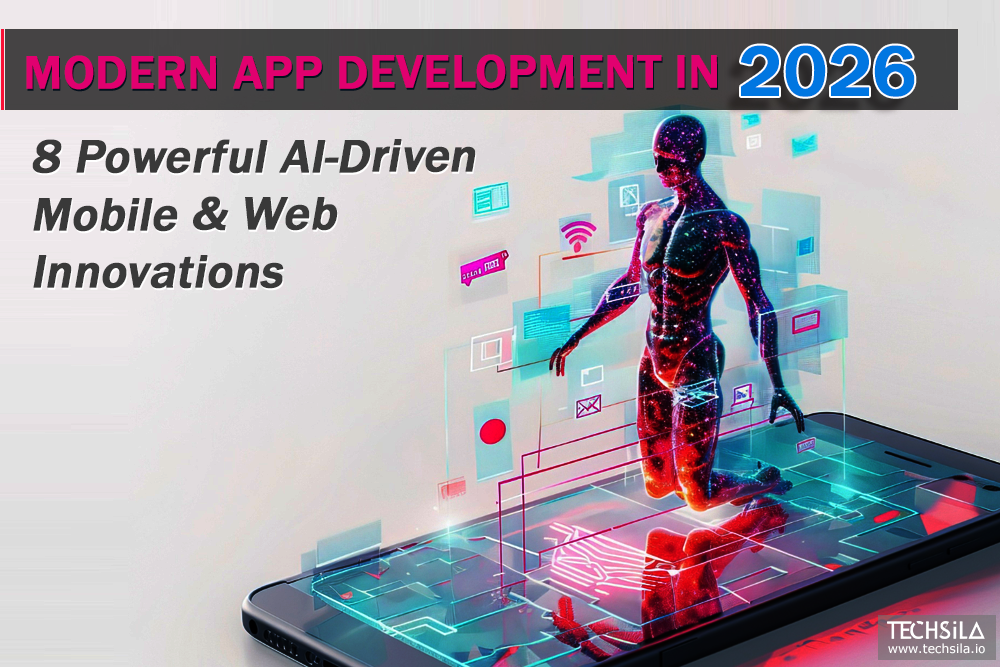
The world of software development is evolving faster than ever, and AI-driven app development is at the center of this transformation. In 2026, mobile and web applications are no longer just functional tools; they are intelligent digital platforms that learn, predict, and adapt to user behavior in real time.
Businesses today face growing pressure to deliver faster, smarter, and more personalized digital experiences. Users expect applications to anticipate their needs, deliver seamless interactions, and continually improve performance. Traditional development methods, while still useful, can’t keep up with these demands alone.
AI-driven app development integrates technologies such as machine learning, natural language processing, predictive analytics, and computer vision into modern applications. These technologies enable apps to analyze vast amounts of data, understand user intent, automate processes, and deliver highly personalized experiences.
In 2026, organizations across industries, including healthcare, fintech, retail, logistics, and education, are adopting AI-powered mobile and web applications to gain a competitive advantage. From intelligent chatbots and recommendation engines to automated testing and adaptive user interfaces, AI is redefining what modern applications can achieve.
Another important factor driving this transformation is the rapid advancement of cloud computing and AI infrastructure. Developers now have access to powerful APIs, machine learning frameworks, and cloud-based AI services that simplify the integration of intelligent capabilities into applications. This allows development teams to focus on innovation rather than building complex AI systems from scratch.
Modern app development is also shifting toward user-centric design, where AI analyzes user behavior and dynamically adjusts the app experience. Applications can now recommend products, automate workflows, detect anomalies, and even predict future user actions.
As we move deeper into the digital-first era, AI-driven app development will become the standard rather than the exception. Organizations that embrace intelligent application design will be able to deliver superior user experiences, streamline operations, and unlock new revenue opportunities. In this article, we will explore eight powerful AI-driven innovations shaping modern mobile and web development in 2026, along with the technologies, benefits, and future trends that are redefining the app development landscape.
What is AI-Driven App Development?
Then we will move to the 8 innovations, including:
- AI-powered personalization
- Intelligent chatbots
- Predictive analytics
- Computer vision integration
- AI-powered automation
- Voice and conversational interfaces
- Adaptive UI/UX
- AI-driven security
What Is AI-Driven App Development?
AI-driven app development refers to the process of integrating artificial intelligence technologies into mobile and web applications to create smarter, more adaptive, and data-driven digital experiences. Instead of relying solely on traditional programming logic, AI-powered applications can learn from data, analyze patterns, and make intelligent decisions in real time.
In modern software ecosystems, applications are expected to do far more than execute predefined commands. Users expect apps to understand preferences, predict needs, automate tasks, and continuously improve performance. AI makes this possible by embedding learning capabilities directly into the application architecture.
At its core, AI-driven app development combines advanced algorithms, machine learning models, and intelligent data processing to transform how applications interact with users and systems. These applications are capable of analyzing large volumes of data, identifying patterns, and delivering insights that improve user engagement and operational efficiency. Technologies like machine learning and NLP are the backbone of this transformation. If you want a deeper technical understanding, this overview by IBM explains it well.
Key Technologies Behind AI-Driven App Development
Several emerging technologies power modern AI applications. These technologies work together to create intelligent mobile and web platforms.
- Machine Learning (ML)
Machine learning allows applications to learn from historical data and improve their performance over time without explicit programming. For example, an e-commerce mobile app can analyze purchase behavior and recommend products based on previous interactions. - Natural Language Processing (NLP)
NLP enables applications to understand and respond to human language. This technology powers features like chatbots, voice assistants, and automated customer support systems that interact with users in a natural conversational manner. - Computer Vision
Computer vision allows apps to interpret visual data such as images and videos. This capability is widely used in security monitoring systems, healthcare diagnostic tools, and retail applications that analyze customer behavior in stores. - Predictive Analytics
Predictive analytics uses AI algorithms to forecast future outcomes based on historical patterns. Businesses can use this technology to anticipate customer needs, detect potential risks, and optimize operations. - Intelligent Automation
AI-driven automation reduces manual effort by enabling applications to perform repetitive tasks automatically. This includes workflow automation, automated testing, and intelligent decision-making systems that streamline business operations.
How AI Is Changing the Development Process
The integration of AI into app development is not limited to end-user features; it also transforms the development lifecycle itself. Developers now use AI-powered tools to improve coding efficiency, detect errors faster, and automate testing. For instance, AI tools can analyze code patterns to suggest improvements, identify potential bugs, and even generate code snippets. This significantly accelerates development timelines while improving software quality.
In addition, AI enables data-driven product development, where user feedback and behavior analytics continuously refine the application experience. Instead of releasing static versions of apps, development teams can deploy updates that adapt dynamically based on real user interactions.
Why Businesses Are Adopting AI-Driven Applications
Organizations are rapidly adopting AI-driven app development because it delivers measurable business value. Intelligent applications help companies:
- Deliver personalized user experiences
- Improve operational efficiency
- Reduce manual workloads through automation
- Gain insights from large datasets
- Enhance security and fraud detection
These capabilities allow businesses to remain competitive in increasingly digital markets. If you are looking to build intelligent mobile or web applications, partnering with the right technology team is crucial. Explore how modern AI solutions can transform your business on the Techsila.
The Role of AI in Modern Digital Ecosystems
In 2026, applications are no longer isolated products; they are part of larger digital ecosystems that connect cloud services, APIs, IoT devices, and enterprise platforms. AI acts as the intelligence layer that processes information across these systems and delivers actionable insights.
For example, a retail mobile app can integrate AI analytics to track customer preferences, inventory data, and supply chain activity simultaneously. This creates a seamless ecosystem where the application continuously adapts to changing business conditions. As AI technology continues to evolve, AI-driven app development will play a crucial role in shaping next-generation digital experiences. Organizations that adopt intelligent application design today will be better positioned to deliver innovative services, improve customer engagement, and scale their digital platforms efficiently.

8 Next-Gen AI Innovations Shaping Mobile and Web Development in 2026
The rapid evolution of AI-driven app development is transforming how modern applications function. Instead of static interfaces and predefined workflows, today’s mobile and web apps are intelligent systems capable of learning from user behavior, adapting to new conditions, and automating complex processes. Below are eight powerful innovations that are shaping the future of mobile and web experiences in 2026.
1. AI-Powered Personalization
One of the most impactful innovations in AI-driven app development is hyper-personalization. Modern applications now analyze user behavior, preferences, and historical interactions to deliver customized experiences in real time. For example, streaming platforms recommend movies based on viewing history, while e-commerce apps display personalized product suggestions based on browsing and purchase patterns. AI algorithms analyze user data continuously and refine recommendations with every interaction.
AI-powered personalization helps businesses achieve:
- Higher user engagement
- Improved customer satisfaction
- Increased conversion rates
- More relevant digital experiences
As users interact with applications more frequently, AI models learn and adapt, making the app smarter over time.
For example, platforms like Netflix and Amazon use AI to recommend content and products. According to research from McKinsey personalization can significantly increase revenue and customer engagement. This makes personalization a core component of modern applications.
2. Intelligent Chatbots and Virtual Assistants
Conversational AI has become a core component of AI-driven app development. Intelligent chatbots and virtual assistants enable applications to interact with users through natural language conversations.
Unlike traditional rule-based bots, modern AI assistants can understand context, recognize intent, and deliver meaningful responses. They are widely used in customer support, healthcare services, banking platforms, and e-commerce websites.
Key capabilities include:
- Instant customer support
- Automated appointment scheduling
- Voice-based app navigation
- Multilingual communication
These AI assistants operate 24/7, improving user satisfaction while reducing operational costs for businesses.
3. Predictive Analytics for Smarter Decisions
Predictive analytics is another powerful feature in modern AI-driven app development. By analyzing historical data and user behavior, AI algorithms can forecast future outcomes and recommend actions.
For instance, predictive analytics helps businesses:
Identify potential customer churn
- Forecast product demand
- Detect fraudulent transactions
- Predict maintenance needs for digital systems
This technology allows organizations to move from reactive decision-making to proactive strategy, enabling smarter business operations.
4. Computer Vision Integration
Computer vision is expanding the capabilities of modern applications by enabling them to interpret visual data such as images and videos. This innovation is especially important in industries like healthcare, retail, and security.
Applications powered by computer vision can:
- Recognize objects and faces
- Analyze medical images for diagnosis
- Monitor security footage for unusual activity
- Track customer movement in retail environments
By incorporating visual intelligence, AI-driven app development enables applications to interact with the physical world in ways that were previously impossible.
Microsoft explains how computer vision works in real-world applications. This technology allows apps to interact with the physical world, making them more intelligent and context-aware.
5. AI-Powered Automation in Development
Artificial intelligence is not only improving user experiences but also transforming the development process itself. AI-powered tools now assist developers with coding, debugging, and testing.
Automation capabilities include:
- AI-assisted code generation
- Automated software testing
- Intelligent bug detection
- Performance optimization suggestions
These innovations reduce development time, minimize human errors, and allow teams to focus on building advanced features rather than repetitive tasks. Cloud platforms like AWS provide tools that simplify AI integration into applications: This reduces development time and improves software quality significantly.
6. Voice and Conversational Interfaces
Voice technology has become a key element of modern digital experiences. Applications now support voice commands and conversational interfaces that allow users to interact naturally with software. Voice-enabled apps can perform actions such as:
- Searching for information
- Controlling smart devices
- Completing transactions
- Navigating application features
With the growing popularity of voice assistants and smart devices, AI-driven app development is making voice interaction a standard feature for many applications.
7. Adaptive UI and Smart User Experiences
Traditional user interfaces remain static, meaning every user experiences the same design and layout. AI changes this by enabling adaptive user interfaces that adjust dynamically based on user behavior. For example, AI-powered applications can:
- Rearrange content based on user preferences
- Highlight frequently used features
- Adjust notifications and recommendations
- Personalize dashboards and menus
This creates more intuitive digital experiences where the application evolves alongside the user’s habits and needs.
8. AI-Driven Security and Fraud Detection
Security has become a critical priority for digital platforms. Modern applications are increasingly using AI to detect suspicious behavior and prevent cyber threats. AI security systems can:
- Monitor unusual login attempts
- Detect fraudulent transactions
- Identify malware or vulnerabilities
- Analyze user activity patterns in real time
These capabilities help organizations protect sensitive data while maintaining seamless user experiences. According to PwC’s AI research: AI is playing a critical role in enhancing cybersecurity and risk management.
The Growing Importance of Intelligent Applications
The innovations described above demonstrate how AI-driven app development is reshaping the future of mobile and web experiences. Applications are no longer passive tools—they are intelligent systems capable of learning, adapting, and delivering personalized services. As AI technologies continue to advance, organizations will increasingly rely on intelligent applications to enhance productivity, improve user engagement, and unlock new business opportunities. Learn more about specialized solutions for intelligent applications here at Techsila AI Autonomous Agents.
Benefits of AI-Driven App Development for Businesses
Adopting AI-driven app development offers significant advantages for organizations across industries. By integrating intelligent features into mobile and web applications, businesses can achieve operational efficiency, enhanced user experiences, and long-term scalability.
1. Enhanced User Engagement
AI enables applications to deliver personalized experiences, anticipating user needs and preferences. Personalized content, product recommendations, and adaptive interfaces keep users engaged longer, improving retention and satisfaction.
2. Increased Operational Efficiency
Intelligent automation reduces manual work by handling repetitive tasks such as data entry, notifications, and workflow management. This allows teams to focus on strategic initiatives while applications operate efficiently in the background.
3. Data-Driven Decision Making
AI-powered applications continuously analyze user behavior and business data. These insights help organizations make smarter, real-time decisions about product offerings, marketing strategies, and customer support approaches.
4. Reduced Development Costs
AI-assisted development tools automate code generation, testing, and debugging, cutting down project timelines and reducing errors. Businesses can launch applications faster while maintaining high quality.
5. Competitive Advantage
Applications with AI-driven features stand out in crowded markets. Companies using AI to improve personalization, security, and analytics often gain an edge over competitors who rely on traditional static apps.
6. Improved Security and Fraud Prevention
AI monitors unusual behavior, detects anomalies, and flags potential threats in real time. This ensures applications remain secure while protecting user data and maintaining trust.
By leveraging these benefits, businesses not only enhance customer satisfaction but also streamline internal operations and prepare for future technological trends.
Challenges and Limitations of AI-Driven App Development
This section will address the common hurdles companies face when integrating AI into applications, including:
- Data privacy and compliance issues
- High infrastructure costs
- Complexity in AI model training and maintenance
- Potential biases in AI algorithms
- Dependence on high-quality data
Conclusion
The rapid evolution of AI-driven app development is reshaping how businesses build and deliver digital experiences in 2026. From intelligent personalization and predictive analytics to adaptive interfaces and real-time automation, AI is no longer an optional enhancement—it is becoming the foundation of modern mobile and web applications.
Organizations that embrace AI-driven app development are gaining a significant competitive advantage. They are able to deliver smarter user experiences, automate complex workflows, and make data-driven decisions that improve both efficiency and profitability. At the same time, advancements in AI technologies such as machine learning, computer vision, and natural language processing are making it easier than ever to integrate intelligence into applications. However, success with AI is not just about adopting new technologies. It requires a strategic approach that includes data management, infrastructure planning, ethical AI practices, and continuous optimization. Businesses must ensure that their AI solutions are scalable, secure, and aligned with user expectations.
As we move forward, AI-driven app development will continue to evolve, enabling applications to become more autonomous, context-aware, and deeply integrated into everyday life. Whether it’s enhancing customer engagement, improving operational efficiency, or unlocking new revenue streams, AI-powered applications will play a central role in digital transformation. And if you’re ready to take the next step toward innovation then turn your App Idea into an Intelligent Experience
Discover how AI can revolutionize your business workflows, enhance user engagement, and future-proof your applications. Request a Quote Now
Frequently Asked Questions (FAQs)
1. What is AI-driven app development?
AI-driven app development refers to the integration of artificial intelligence technologies such as machine learning, NLP, and predictive analytics into mobile and web applications to create smarter, adaptive, and data-driven experiences.
2. How does AI improve mobile and web applications?
AI enhances applications by enabling personalization, automating tasks, improving decision-making through data analysis, and delivering more intuitive and engaging user experiences.
3. Is AI-driven app development expensive?
While initial setup costs can be higher due to infrastructure and expertise requirements, AI-driven solutions often reduce long-term costs by automating processes and improving efficiency.
4. Which industries benefit most from AI-driven applications?
Industries such as healthcare, retail, finance, logistics, and education benefit greatly from AI-driven app development due to its ability to improve efficiency, accuracy, and user engagement.
5. Can small businesses adopt AI-driven app development?
Yes, with the rise of cloud-based AI services and low-code platforms, small businesses can now implement AI features without heavy investment in infrastructure or large development teams.
6. What are the main challenges in AI-driven app development?
Common challenges include data privacy concerns, high-quality data requirements, infrastructure costs, and the complexity of developing and maintaining AI models.
7. What is the future of AI-driven app development?
The future includes autonomous applications, edge AI, real-time adaptive interfaces, and deeper integration with IoT and smart devices, making applications more intelligent and proactive.
